Laser Cleaning vs Sandblasting: Which Is Better for Your Project?
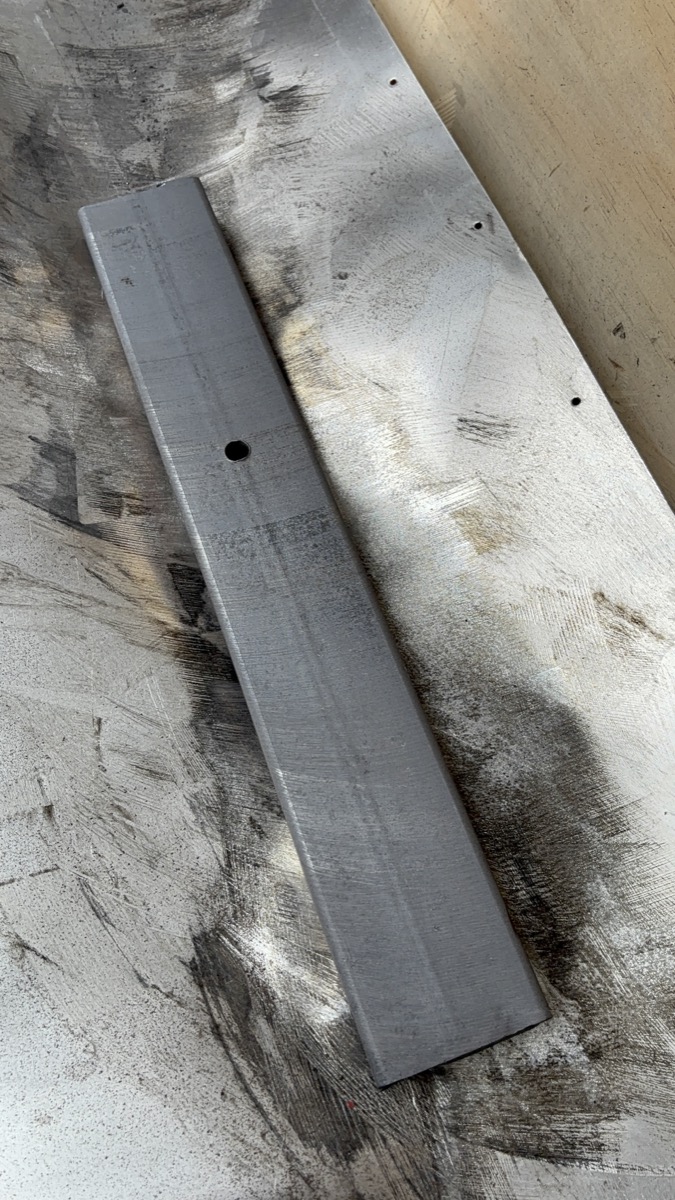
If you've got a rust problem, you've probably considered sandblasting. It's been the go-to for decades. But laser cleaning is changing the game — and for most applications, it's the better choice. Here's an honest breakdown of both methods.
The Quick Comparison
| Factor | Laser Cleaning | Sandblasting |
|---|---|---|
| Surface Damage | None — removes only contaminant | Can pit, warp, and erode base metal |
| Precision | Millimeter-level control | Broad area — hard to isolate |
| Waste | Minimal — dust only | Tons of spent media to dispose |
| Chemicals | Zero | None (but dust is hazardous) |
| Setup Time | Minutes — plug in and go | Requires compressor, media, containment |
| Thin Parts | Safe on thin metal, delicate parts | Risk of warping and thinning |
| Speed (Heavy Rust) | Moderate — depends on wattage | Fast on heavy, thick rust |
| Consumables | None (just electricity) | Sand/media needs constant replenishment |
| PPE Required | Laser safety glasses only | Full respirator, hearing protection, suit |
| Portability | Handheld unit — goes anywhere | Compressor + blast pot = large setup |
When Laser Cleaning Wins
Laser cleaning is the clear choice when:
- Precision matters — restoration work, antique parts, machined surfaces where you can't afford to remove base metal
- The part is thin or delicate — sheet metal panels, fine hardware, components that would warp under blasting
- You need a clean work environment — no dust clouds, no media cleanup, no hazardous waste
- Speed of setup matters — laser is ready in minutes, no compressor warmup or media loading
- Repeat/production work — zero consumable cost means the more you use it, the more you save
- Environmental compliance — no silica dust, no chemical runoff, minimal waste stream
When Sandblasting Still Makes Sense
We'll be honest — sandblasting isn't dead. It still has its place:
- Massive surface areas — entire ship hulls, bridges, or building facades where speed on volume beats precision
- Extremely heavy scale — thick, layered rust on structural steel where the underlying surface doesn't need to be pristine
- Texture profiling — when you specifically need a rough surface profile for coating adhesion (though laser can do this too at higher power)
For most commercial and restoration applications, though? Laser cleaning delivers better results with less hassle.
The Cost Question
Sandblasting seems cheaper upfront. The equipment costs less. But factor in the full picture:
- Media costs: Sand and garnet aren't free — and you go through a lot of it
- Disposal: Spent media is often classified as hazardous waste. Disposal fees add up fast
- Cleanup labor: Blasting makes a mess. Someone has to clean it up
- Part damage: Parts that get warped or over-blasted need rework or replacement
- Health costs: Silicosis from sandblasting dust is a real occupational hazard
Laser cleaning has a higher equipment cost but near-zero operating cost. The math usually tips in laser's favor within the first year for shops doing regular cleaning work.
What About Chemical Stripping?
Chemical stripping is the third common option, and it's losing ground fast. Between toxic fumes, hazardous waste disposal requirements, hydrogen embrittlement risk on high-strength steel, and the sheer mess — it's the method most shops are trying to move away from.
Laser cleaning eliminates all of those concerns. No chemicals. No fumes. No environmental liability.
See It in Action
Words and tables only go so far. Check out our gallery to see real before-and-after results from laser cleaning — heavy rust on bar stock, vintage carburetors, industrial hoist equipment, and more.
The best way to understand laser cleaning is to see it. The second best way is to feel the surface afterward — smooth, clean metal with zero damage.
Bottom Line
For most rust removal, paint stripping, and surface prep applications, laser cleaning is the better method. It's cleaner, safer, more precise, and increasingly cost-competitive. Sandblasting still has a role in high-volume, low-precision scenarios — but that role is shrinking every year.
If you're trying to decide which method is right for your project, send us a photo and we'll give you an honest recommendation — even if that means telling you sandblasting makes more sense for your specific job.
This article is for informational purposes only and does not constitute professional, legal, or safety advice. Always consult qualified professionals and verify information for your specific situation.
© 2026 Chicago Rust LLC. All rights reserved. Originally published at chicagorust.com/blog.
This article may not be reproduced, distributed, or republished without written permission from Chicago Rust LLC.
Got a Rust Problem?
Send us a photo of your project for a free, no-obligation quote.
Get a Free Quote