Laser Cleaning for Construction Equipment: Extend the Life of Heavy Machinery
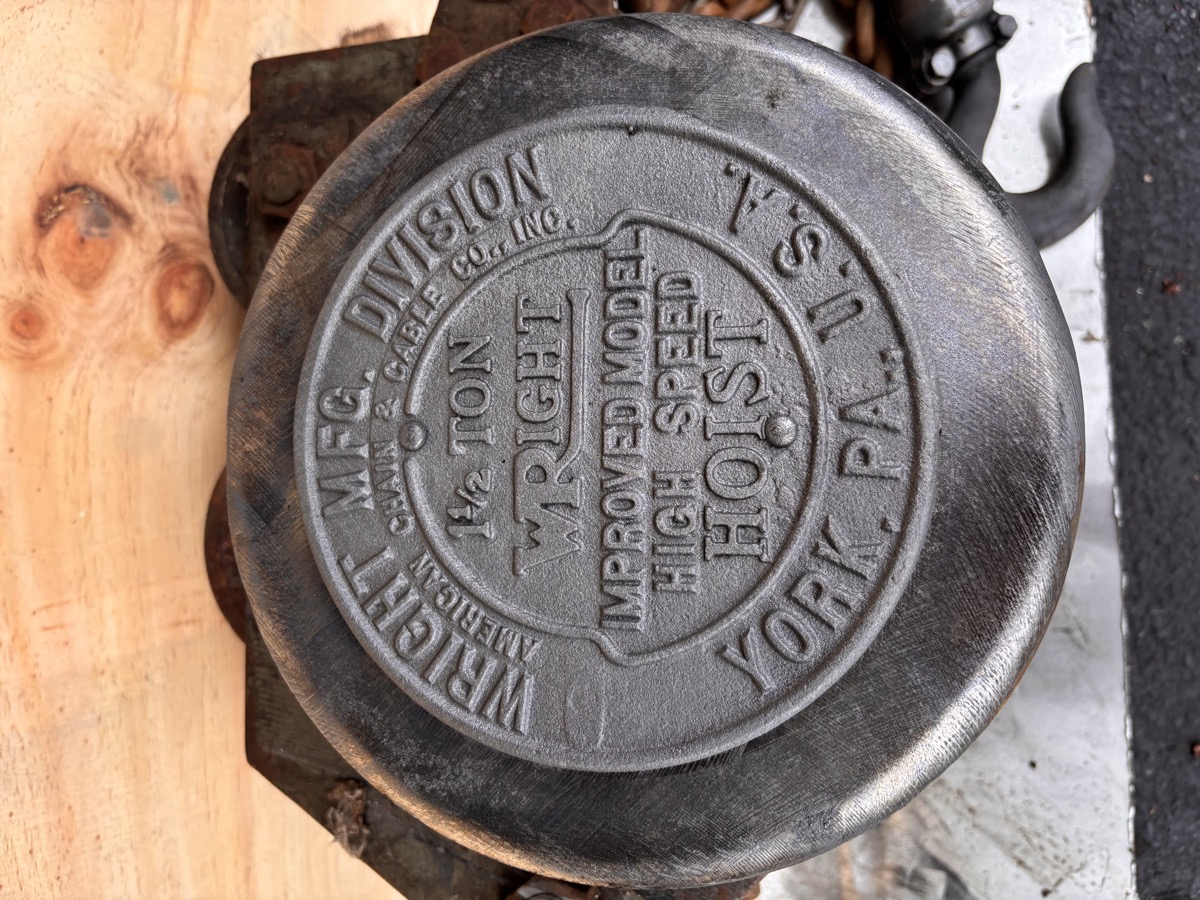
A new Cat 336 excavator costs north of $350,000. A large wheel loader runs $250,000-$500,000. A crawler crane can top $1 million. Construction equipment represents massive capital investment — and the single biggest threat to that investment isn't hours on the meter. It's corrosion.
Construction equipment lives outside. It sits in rain, snow, mud, salt air, and chemical runoff. It gets battered with rocks, scraped against concrete, and parked in standing water. The factory paint and primer systems that protect the steel underneath are tough, but they're not invincible — and once corrosion gets a foothold, it spreads fast.
Traditional maintenance approaches — grinding, sandblasting, chemical stripping, pressure washing — all work to some degree. But they all come with tradeoffs that laser cleaning eliminates. Here's how laser ablation is changing the economics of construction equipment maintenance.
The Construction Equipment Corrosion Problem
Construction equipment operates in some of the harshest environments of any industry. Unlike factory equipment that sits indoors with climate control, or even over-the-road trucks that at least get washed periodically, construction machines live on job sites where the conditions are designed to destroy metal.
What's Actually Happening to Your Equipment
The damage progression follows a predictable pattern:
- Paint damage from impacts: Rocks, debris, bucket strikes, and transport chain wear create chips and scratches that break through the topcoat and primer
- Moisture intrusion: Water gets under the broken coating and starts the corrosion process at the steel surface
- Corrosion spreading: Rust creeps under intact paint, lifting larger areas and creating blisters that trap more moisture
- Structural compromise: Unchecked corrosion reduces cross-section of structural members — boom arms, frames, stick cylinders, outrigger pads, and attachment points lose material thickness
- Catastrophic failure: In severe cases, corroded structural members crack or fail under load — a safety and liability catastrophe
The window between steps 1 and 4 can be surprisingly short in aggressive environments. Salt exposure (coastal sites, winter road work, deicing chemical handling), acidic soil conditions, and chemical plant demolition accelerate the timeline dramatically.
The Hidden Cost: Resale and Trade-In Value
Beyond structural integrity, corrosion hammers resale value. A well-maintained excavator with 8,000 hours might retain 40-50% of its original value at trade-in. The same machine with significant rust and coating failure? 20-30% — or less if the corrosion raises structural questions. On a $350,000 machine, that's a $35,000-$70,000 difference in residual value from cosmetic and surface corrosion alone.
Fleet managers who maintain equipment appearance and corrosion protection consistently realize significantly better returns when turning over equipment. The maintenance cost is a fraction of the preserved value.
Why Traditional Methods Fall Short on Construction Equipment
Every contractor knows their equipment needs surface maintenance. The problem isn't awareness — it's that the available methods are either too aggressive, too slow, too messy, or too impractical for the realities of construction operations.
Angle Grinding
The default approach in most shops. A tech with an angle grinder and a flap disc can remove rust and prep a surface. The problems:
- Substrate damage: Grinding removes base metal along with rust and coatings. On structural members where wall thickness matters, every pass reduces cross-section
- Inconsistent profile: Grinding creates uneven surface profiles — gouges, waves, thin spots — that lead to premature coating failure
- Slow on large areas: Prepping an excavator boom for recoating by grinding can take a full day or more of labor
- Sparks near hydraulics: Grinding near hydraulic fittings, fuel lines, and wiring creates fire and damage risk
- Worker fatigue: Vibration, dust, and physical strain limit how much effective work a grinder can do in a shift
Sandblasting / Abrasive Blasting
Gets excellent results but creates massive practical problems for construction equipment:
- Media contamination: Blast media gets into everything — hydraulic fittings, pivot pins, bearings, electrical connectors, cab seals. Cleaning abrasive out of these areas takes longer than the blasting itself
- Environmental mess: Tons of spent media and paint debris to clean up and dispose of, especially if old coatings contain lead or chromate primers
- Masking requirement: Every fitting, seal, window, light, sensor, and hydraulic port must be masked before blasting — hours of prep for hours of blasting
- Equipment must be moved to blast facility: Most construction equipment can't be blasted on-site, meaning transport costs and downtime for mobilization
- Profile too aggressive for some applications: Aggressive blast profiles on thin sheet metal (hoods, fenders, cab panels) can warp or perforate the material
Chemical Strippers
Sometimes used for coating removal, but problematic on construction equipment:
- Runoff and containment: Chemical strippers on a 60,000-lb excavator create hundreds of gallons of contaminated runoff
- Seal and gasket damage: Aggressive chemical strippers attack rubber seals, gaskets, and hydraulic hose covers
- Dwell time: Most strippers require 4-24 hours of dwell time per application — impractical for equipment that needs to be back on a job site
- Incomplete removal: Chemical strippers often leave residue in crevices, bolt holes, and structural channels that compromises new coating adhesion
Pressure Washing
Good for removing loose mud and debris, but pressure washing doesn't remove bonded rust, mill scale, or intact coatings. It's a cleaning step, not a surface preparation step. Ultra-high-pressure water blasting (40,000+ PSI) can remove coatings, but it introduces massive amounts of water into areas where moisture is the problem you're trying to solve.
How Laser Cleaning Works on Construction Equipment
Laser cleaning uses focused pulses of light to ablate contaminants — rust, paint, coatings, grease, concrete splatter, and other surface deposits — without touching the base metal underneath. The laser energy vaporizes and expels the unwanted material while the steel substrate reflects the beam without absorbing enough energy to be affected.
For construction equipment specifically, this means:
- Zero substrate loss: No metal is removed. Structural members, boom arms, frames, and attachment points keep their full cross-section
- Precise control: The operator can clean right up to hydraulic fittings, seals, wiring, and sensors without masking or risk of damage
- No secondary contamination: No blast media to infiltrate bearings, no chemicals to attack seals, no water to create new corrosion
- Minimal waste: The removed material is captured by a HEPA-filtered fume extraction unit — ounces of fine particulate vs. tons of blast media
- Portable operation: Modern laser cleaning units fit in a van or trailer and can work wherever the equipment is — shop, yard, or job site
Construction Equipment Applications
Excavators and Backhoes
The workhorses of construction — and the machines that take the most surface abuse. Key laser cleaning applications:
- Boom and stick arms: High-stress structural members where corrosion monitoring and coating maintenance directly impact safety. Laser cleaning removes rust and old coatings for inspection and recoating without reducing wall thickness
- Bucket and attachment pivot points: Corrosion around pin bores and lug areas is common and structurally critical. Laser cleaning can prep these tight areas without the access issues that make grinding and blasting difficult
- Undercarriage frames: Track frames, idler mounts, and roller guards accumulate heavy corrosion from constant ground contact. Laser cleaning handles coating removal and corrosion prep for these hard-to-access areas
- Counterweight mounting areas: Bolt holes and mating surfaces where corrosion causes fit problems and reduces clamping force
- Hydraulic cylinder bodies: Cleaning cylinder barrels and rod eyes for inspection without affecting chrome surfaces or seal grooves
Wheel Loaders and Dozers
- Blade and bucket cutting edges: Removing built-up material and corrosion from cutting edge mounting surfaces for proper edge-to-base contact and bolt torque
- Frame rails and articulation joints: Corrosion in articulation areas affects steering geometry and pin wear. Laser cleaning preps these areas for inspection and protective coating application
- Hood and fender panels: Sheet metal components that are too thin for aggressive blasting can be laser cleaned without warping or perforation risk
- ROPS/FOPS structures: Roll-over and falling-object protective structures are life-safety components. Laser cleaning allows thorough corrosion inspection and recoating without compromising the certified structure
Cranes and Aerial Equipment
Crane maintenance has particularly high stakes — these are machines where structural integrity is non-negotiable:
- Boom sections: Lattice and telescopic boom sections require periodic coating maintenance. Laser cleaning removes corrosion for NDT inspection and recoating without affecting dimensional tolerances
- Wire rope sheaves and drums: Cleaning cable contact surfaces and inspection points without introducing abrasive contamination that accelerates wire rope wear
- Outrigger pads and boxes: Ground-contact components that corrode heavily from moisture and soil chemistry. Laser cleaning preps these thick steel structures efficiently
- Turntable and slewing ring areas: Cleaning bolt patterns and mating surfaces on ring gear mounting areas where corrosion affects bolt tension and alignment
Concrete Equipment
Concrete is one of the most challenging contaminants on construction equipment, and laser cleaning handles it better than most alternatives:
- Mixer drum exteriors: Hardened concrete splatter on drum skins and discharge chutes. Laser ablation breaks the bond between concrete and steel without the impact damage of mechanical chipping
- Pump boom sections: Concrete buildup on boom arms adds weight, obscures cracks, and accelerates corrosion underneath. Laser cleaning removes the concrete layer cleanly
- Formwork and shoring: Reusable steel formwork needs regular cleaning of concrete residue. Laser cleaning preserves the form surface finish for clean concrete pours
- Rebar and embedments: Cleaning rust and mill scale from rebar and embedded steel connections before concrete placement — meeting ACI specifications for bond strength
Piling and Foundation Equipment
- Sheet piling: Cleaning interlocks and coating surfaces on steel sheet piles before installation in corrosive environments (marine, contaminated soil)
- H-piles and pipe piles: Surface prep for coating application on driven piles in corrosive soil and water conditions
- Drill tooling: Removing built-up material from auger flights, kelly bars, and casing — extending tool life and maintaining drilling efficiency
Fleet Maintenance Economics
The business case for laser cleaning in construction equipment maintenance comes down to a few key numbers:
Direct Cost Comparison
| Factor | Grinding | Sandblasting | Laser Cleaning |
|---|---|---|---|
| Hourly labor rate | $45-75/hr | $80-150/hr | $150-500/hr |
| Speed (excavator boom) | 8-16 hours | 3-6 hours | 2-4 hours |
| Consumables per job | $50-200 | $200-800 | $0 |
| Masking/prep time | 1-2 hours | 3-6 hours | Minimal |
| Cleanup time | 1-2 hours | 3-8 hours | Minimal |
| Substrate loss | Yes — measurable | Minimal if controlled | Zero |
| Media contamination risk | Low | High | None |
| Can work near hydraulics | Risky (sparks) | No (contamination) | Yes — safely |
| On-site capability | Yes | Limited | Yes |
| Waste disposal | $50-150 | $200-1,000+ | $10-30 |
When you total the actual project cost — labor, consumables, prep, cleanup, disposal, and downtime — laser cleaning often comes in comparable to or lower than sandblasting for construction equipment applications, and significantly faster than grinding.
The Downtime Factor
Construction equipment sitting in a shop isn't making money. At $150-400+/hour in lost revenue for a working excavator or crane, every day of downtime for maintenance costs real money. Laser cleaning's advantages in speed and on-site capability directly reduce this downtime cost:
- No transport to blast facility: Equipment stays in your yard or on-site. Eliminates load-out, trucking, and load-in time
- No masking marathon: Skip the hours of taping, plugging, and covering every fitting and seal
- No post-blast cleanup: No hours spent cleaning media out of every crevice before the machine can be reassembled and coated
- Ready for coating faster: Laser-cleaned surfaces can be coated immediately — the surface is clean, dry, and at the right temperature for adhesion
Coating Longevity
A surface preparation method is only as good as the coating performance it produces. Laser cleaning creates a surface that's:
- Chemically clean: No oil, grease, or chemical residue — contaminants that cause coating delamination are vaporized, not smeared around
- Oxide-free: Mill scale and rust are completely removed, exposing fresh steel for maximum coating adhesion
- Thermally activated: The laser process slightly warms the surface, which can improve coating adhesion and flow-out
- Consistently profiled: Laser-cleaned surfaces have a uniform micro-roughness without the deep gouges and thin spots from grinding
Better surface prep means coatings last longer — which means longer intervals between maintenance cycles and lower lifetime cost per machine. For a fleet of 20-50 machines, the compounding savings over a 5-year ownership cycle are substantial.
Fleet Integration: Making Laser Cleaning Part of Your Maintenance Program
Laser cleaning works best when it's integrated into your existing maintenance workflow rather than treated as a special event. Here's how fleet operations are building it in:
Preventive Maintenance Intervals
Add laser cleaning to your existing PM schedule:
- Every 500 hours: Inspect high-wear areas (boom, bucket, undercarriage) — spot-clean any coating damage before corrosion starts
- Every 2,000 hours: Comprehensive surface inspection with laser cleaning of all corroded areas and coating touch-up
- Pre-sale/trade-in: Full surface cleaning and recoating to maximize resale value
- Seasonal transition: After winter operations (salt exposure) or marine/coastal work, full cleaning of exposed surfaces
Buy vs. Contract
The decision to buy a laser cleaning system vs. contracting the work depends on your fleet size and maintenance volume:
- Contract (recommended for most): Fleets under 30-40 machines typically find it more economical to contract laser cleaning as needed. Mobile laser cleaning services come to your shop or yard — no capital investment, no operator training, pay only for what you use
- In-house system (large fleets, dealer groups): Fleets over 40 machines, equipment dealers, and rental companies with high-volume reconditioning may justify running their own system
For fleet owners weighing service versus cost, check our cost and pricing guide for how laser cleaning compares on heavy-duty field work.
Safety Advantages on Construction Sites
Construction sites already have enough safety hazards. Surface preparation methods that add risk — sparks, dust clouds, chemical exposure, slipping hazards — create problems that laser cleaning avoids:
- No sparks: Safe to use near fuel tanks, hydraulic lines, and in areas where hot work permits would normally be required. See our article on laser cleaning safety for details
- No silica dust: Eliminates the crystalline silica exposure that makes sandblasting a major respiratory hazard — a growing OSHA enforcement priority
- No chemical exposure: No strippers, solvents, or acid washes for workers to handle and be exposed to
- No slip hazards: No wet surfaces from pressure washing or chemical application in shop areas
- Reduced noise: Significantly quieter than grinding or blasting operations — important in occupied shop environments and on active job sites
- Ergonomic improvement: Handheld laser cleaning heads are lighter than grinders and produce no vibration — reducing worker fatigue and cumulative injury risk
The primary safety requirement specific to laser cleaning is proper eye protection — laser safety glasses rated for the specific wavelength (typically 1064nm for fiber laser cleaners). An enclosed workspace or laser safety curtains are recommended when working in areas where bystanders might be exposed.
Environmental and Regulatory Advantages
Construction companies face increasing environmental scrutiny, and surface preparation methods are a common compliance headache. Laser cleaning simplifies the regulatory picture:
- No abrasive waste stream: Sandblasting a single piece of heavy equipment can generate hundreds of pounds of mixed waste. Laser cleaning produces ounces
- No chemical waste: Zero solvent, stripper, or acid waste to characterize, store, and dispose of
- No water discharge: No pressure wash wastewater containing oil, grease, paint particles, or chemicals to capture and treat
- Simplified stormwater compliance: Construction site stormwater permits (SWPPP/SPPP) are easier to maintain when surface preparation methods don't generate pollutant-laden runoff
- Lead and chromate coatings: Older construction equipment (especially military surplus and utility equipment) may have lead-based or chromate primers. Laser cleaning with HEPA-filtered fume extraction concentrates the hazardous material into a small, manageable waste volume — dramatically simpler than containing blast media contaminated with lead paint
Specific Use Cases Worth Highlighting
Pre-NDT Inspection Cleaning
Non-destructive testing (NDT) — magnetic particle, ultrasonic, dye penetrant — is required on critical structural components of cranes, aerial lifts, and lifting equipment. These inspections require clean surfaces free of paint, rust, and coatings. Laser cleaning provides the ideal surface for NDT: perfectly clean without any substrate alteration that could create false indications or mask real defects.
Rental Fleet Reconditioning
Equipment rental companies cycle through reconditioning constantly. Every machine that comes off rent needs to be inspected, cleaned, repaired, and made presentable for the next customer. Laser cleaning accelerates the cosmetic and corrosion aspects of reconditioning — critical when every day a machine sits in the shop is a day it's not generating rental revenue.
Equipment Dealer Refurbishment
Dealers buying used equipment for resale invest heavily in reconditioning to maximize margins. Laser cleaning gives dealers a fast, high-quality surface prep option that produces better paint results than grinding — directly improving the cosmetic presentation that drives buyer confidence and price realization.
Historic and Specialty Equipment
Collectors restoring vintage construction equipment (old Cats, vintage Komatsu, classic Euclid haul trucks) need surface preparation that doesn't destroy original markings, casting numbers, or delicate sheet metal. Laser cleaning's precision makes it ideal for restoration work where the goal is preservation, not just rust removal. Similar principles apply to classic vehicle restoration.
Getting Started
If you're managing a construction equipment fleet and want to explore laser cleaning, here's the practical path:
- Start with one machine: Pick your worst-looking or most corroded piece of equipment and have it laser cleaned as a demonstration. Seeing the results in person is more convincing than any article
- Compare the total cost: Track all costs — not just the surface prep invoice, but prep time, cleanup, downtime, and coating performance over the following months
- Build it into your PM program: If the results justify it, add spot cleaning and coating maintenance to your regular PM intervals rather than waiting for major reconditioning events
- Consider your volume: Once you're running regular laser cleaning, evaluate whether the volume justifies equipment purchase vs. continued contracting
The best maintenance strategy is the one that actually gets done. Laser cleaning's speed, portability, and low-mess operation make it more likely to become a regular practice rather than an "eventually, when we get around to it" aspiration.
Need Construction Equipment Cleaned — or Your Own Laser?
Chicago Rust offers laser cleaning services for construction fleets in the Chicago metro area, serving fleet owners, contractors, and equipment dealers.
Get a Quote View PricingDisclaimer: This article is for informational purposes only and does not constitute professional engineering, safety, or maintenance advice. Always consult qualified professionals for equipment maintenance decisions. Costs, specifications, and regulatory requirements vary by location and application.
© 2026 Chicago Rust LLC. All rights reserved. This article and its contents may not be reproduced, distributed, or transmitted without prior written permission.