Laser Cleaning for Welding: Pre-Weld Prep & Post-Weld Cleanup
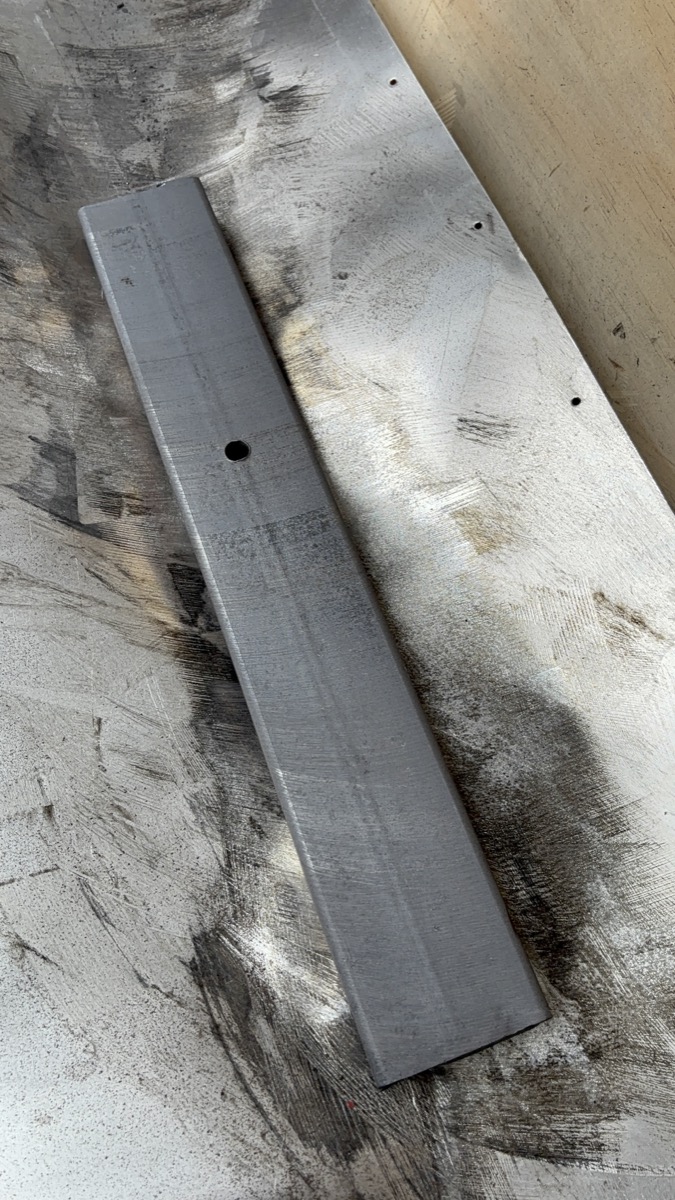
Ask any welder what matters most and you'll get the same answer: prep.
Doesn't matter how steady your hand is or how dialed-in your settings are — if the base metal is contaminated, the weld will suffer. Porosity. Weak fusion. Cracking. Failed inspections. All because the surface wasn't clean enough before the arc struck.
Most shops solve this with grinders, wire wheels, solvents, and a lot of elbow grease. It works, but it's slow, inconsistent, and creates its own problems (dust, material removal, embedded abrasives).
Laser cleaning offers a different approach: strip the contaminants, leave the metal untouched, and do it in a fraction of the time. Here's how it works for both pre-weld preparation and post-weld cleanup.
Why Weld Prep Matters More Than You Think
Most weld failures don't happen because of bad technique. They happen because of bad prep.
When you weld over contaminated metal, the contaminants vaporize in the heat of the arc and get trapped in the weld pool. The result:
- Porosity — gas pockets from vaporized oils, moisture, or coatings create Swiss cheese inside the weld
- Hydrogen cracking — moisture and hydrocarbons introduce hydrogen into the weld, causing delayed cracking hours or days later
- Lack of fusion — mill scale and oxide layers prevent the weld metal from properly bonding to the base material
- Inclusions — non-metallic contaminants get trapped in the weld, creating weak points
- Spatter increase — dirty surfaces destabilize the arc, causing excessive spatter and a messier weld
This isn't theoretical. Welding codes like AWS D1.1 (structural steel) and ASME Section IX (pressure vessels) require clean base metal within a specific zone around the joint — typically 1-2 inches on each side. Failed inspections mean grinding it out and starting over, which costs far more than prepping properly the first time.
The best welders in the world can't overcome bad prep. The weld is only as good as the surface it's joining.
What Laser Cleaning Removes Before Welding
A fiber laser removes virtually any surface contaminant that causes weld defects:
Rust and Corrosion
The obvious one. Rust is iron oxide — it introduces oxygen and moisture into the weld pool, causing porosity and weakening the joint. Laser vaporizes rust down to clean metal without affecting dimensions or surface geometry. No pitting from wire wheels, no material loss from grinding.
Mill Scale
Fresh steel from the mill comes coated in a thin, hard oxide layer (mill scale). It looks clean, but it's one of the most common causes of weld defects. Mill scale melts at a different temperature than the base metal, causing inconsistent fusion and trapped oxides. Laser strips it cleanly — something that typically requires grinding or blasting.
Paint, Primer, and Coatings
Welding over paint is a recipe for porosity, toxic fumes, and failed joints. In repair and maintenance welding, the parts often arrive coated. Laser removes paint layer by layer without chemicals or dust. For more on this, see our laser paint removal guide.
Oil, Grease, and Cutting Fluid
Machined parts, stamped components, and anything from a CNC shop arrives with cutting fluid or drawing compound on the surface. These hydrocarbons cause massive porosity when they vaporize during welding. Laser cleaning thermally decomposes them off the surface instantly.
Oxide Layers
Aluminum oxide on aluminum. Chromium oxide on stainless steel. These naturally occurring oxide layers have melting points far higher than the base metal and interfere with weld penetration and fusion. Laser cleaning removes them immediately before welding — critical for TIG and MIG on aluminum.
Previous Weld Contamination
Repair welding often means cleaning up old welds — removing the heat-affected zone discoloration, residual flux, and oxidation from previous work before laying a new bead. Laser does this precisely without removing base material.
Laser vs. Traditional Weld Prep Methods
Every fab shop has its own prep routine. Here's how laser compares to the common approaches:
| Factor | Laser | Grinding | Wire Wheel | Solvent Wipe |
|---|---|---|---|---|
| Removes rust | Yes — completely | Yes | Surface only | No |
| Removes mill scale | Yes | Yes | Poorly | No |
| Removes paint/coatings | Yes | Slowly | Poorly | No |
| Removes oil/grease | Yes | Smears it | Smears it | Yes |
| Material removal | None | Removes metal | Minimal | None |
| Surface profile | Preserved | Altered | Minor change | Preserved |
| Consistency | Repeatable | Operator-dependent | Operator-dependent | Variable |
| Dust/sparks | None | Heavy | Moderate | None (fumes) |
| Consumables | None | Discs, wheels | Wire wheels | Solvents, rags |
The standout advantage: laser removes everything — rust, scale, paint, oil, oxides — in one pass, with no material removal and no consumables. A grinder can remove rust, but it also removes metal. A solvent can remove oil, but it can't touch mill scale. Laser handles all of it.
Post-Weld Cleanup: Heat Tint, Oxide, and Discoloration
Weld prep gets all the attention, but what about after the weld?
Every weld leaves behind heat tint — those rainbow-colored oxidation bands radiating out from the bead. On carbon steel, it's cosmetic. On stainless steel, it's a real problem.
Why Stainless Steel Heat Tint Matters
Stainless steel gets its corrosion resistance from a thin chromium oxide layer on the surface. When you weld it, the heat destroys that protective layer in the heat-affected zone. The discoloration you see (blue, gold, purple) isn't just cosmetic — it's a compromised surface that will corrode faster than the surrounding metal.
For food processing, pharmaceutical, chemical, and marine applications, removing heat tint isn't optional — it's required. Traditional methods include:
- Pickling paste — effective but uses hydrofluoric/nitric acid (extremely hazardous)
- Electrochemical cleaning — works but slow, requires electrolyte solution
- Grinding/polishing — removes material, changes surface finish
- Scotch-Brite / abrasive pads — inconsistent, doesn't fully restore passivation
Laser cleaning removes the heat tint oxide layer without any of those downsides. No acid, no material removal, no inconsistency. The clean surface naturally re-passivates (reforms its protective chromium oxide layer) once the contaminated oxide is removed.
Other Post-Weld Cleanup Applications
- Weld spatter removal — light spatter vaporizes under the laser; heavy spatter may still need mechanical removal first
- Flux residue — from flux-cored or submerged arc welding, laser cleans it without solvents
- Cosmetic finishing — architectural and visible stainless work requires uniform appearance, laser delivers it
- Pre-coating prep after welding — if the welded assembly will be painted or coated, laser cleaning the entire surface ensures consistent adhesion
Industries Where Laser Weld Prep Pays for Itself
Laser cleaning isn't just a nice-to-have for welding — in some industries it's becoming the standard because the cost of weld failures is so high:
Structural Steel Fabrication
AWS D1.1 requires clean base metal. Failed X-ray or UT inspections mean grinding out the weld and redoing it — at 5-10x the cost of the original weld. Laser prep before welding dramatically reduces defect rates.
Pressure Vessel and Pipe Fabrication
ASME code work has zero tolerance for porosity and inclusions. The stakes are higher (literally — pressure vessel failures can be catastrophic). Clean base metal isn't a suggestion; it's a safety requirement.
Aerospace and Defense
Precision welding on exotic alloys (Inconel, titanium, aluminum-lithium) requires absolute surface cleanliness. Contamination measured in parts per million can cause failures. Laser cleaning meets these specifications consistently.
Automotive Manufacturing
High-volume production welding (robotic MIG, spot welding, laser welding) relies on consistent surface condition. One contaminated part can shut down a line. Inline laser cleaning ensures every part arrives at the weld station ready.
Shipbuilding and Marine
Thick plate with heavy mill scale and rust, often in outdoor environments where surfaces degrade between prep and welding. Laser cleaning can be done immediately before welding, minimizing re-oxidation time.
Maintenance and Repair Welding
The most common scenario: a part arrives for repair covered in years of paint, rust, and grease. Someone has to clean it before welding. Laser does all three in one operation — no switching between grinder, wire wheel, and solvent.
The Production Advantage
For one-off jobs, laser weld prep is a convenience. For production, it's a game-changer.
Consider a typical fab shop workflow:
- Parts arrive with mill scale, cutting fluid, or rust
- Worker grinds the weld zone clean (2-5 minutes per joint, variable quality)
- Welder tacks and welds
- Post-weld grinding to remove spatter and clean up
- Inspection — pass or fail (rework if fail)
With laser cleaning:
- Parts arrive with mill scale, cutting fluid, or rust
- Laser cleans the weld zone (30 seconds to 2 minutes per joint, consistent quality)
- Welder tacks and welds — less spatter, better arc stability
- Laser cleans post-weld (no grinding, no material removal)
- Inspection — higher first-pass rate
The math: faster prep, fewer consumables (no grinding discs, wire wheels, or solvents), reduced rework, and higher throughput. For shops running 50+ welds per day, the time savings compound quickly.
The ROI on laser weld prep isn't just speed — it's the defects that never happen and the rework that never has to be done.
What It Costs
For outsourced laser weld prep (sending parts to us):
- Individual parts or small batches: $150–$500 depending on size and contamination level
- Volume/production runs: Per-unit pricing drops significantly — often 30-50% lower
- On-site laser cleaning: Available for large fabrication projects where shipping isn't practical
For shops considering their own laser cleaning equipment, the 2026 pricing guide covers equipment costs and ROI calculations.
The real cost comparison isn't laser vs. grinding — it's laser prep + fewer defects vs. grinding prep + rework + failed inspections + wasted filler metal and gas. When you factor in the full cost of quality, laser usually wins.
Frequently Asked Questions
Why is surface prep important before welding?
Contaminants like rust, mill scale, paint, oil, and oxide layers cause porosity, weak fusion, cracking, and inclusions in welds. Removing them produces stronger, cleaner joints that pass inspection. Most welding codes (AWS D1.1, ASME) require clean base metal within 1-2 inches of the weld joint.
Can a laser clean weld heat tint and discoloration?
Yes. Laser cleaning removes heat tint, oxide scale, and weld discoloration from stainless steel and carbon steel without affecting the base material or weld integrity. On stainless steel, this is critical — heat tint indicates a compromised chromium oxide layer that reduces corrosion resistance.
Is laser cleaning better than grinding for weld prep?
For most applications, yes. Grinding removes base material and can create stress risers and dimensional changes. Laser removes only the surface contaminant. It's faster for large areas, produces no dust or sparks, and delivers consistent results regardless of operator skill. Grinding is still better for removing heavy weld spatter or reshaping weld profiles.
How much does laser weld prep cost?
$150–$500 for individual parts or small batches. Production volume pricing drops 30-50% per unit. The real savings come from reduced rework, fewer weld defects, and faster throughput — many shops find laser prep pays for itself by eliminating failed inspections.
This article is for informational purposes only and does not constitute professional, legal, or safety advice. Always consult qualified professionals and verify information for your specific situation.
© 2026 Chicago Rust LLC. All rights reserved. Originally published at chicagorust.com/blog.
This article may not be reproduced, distributed, or republished without written permission from Chicago Rust LLC.
Need Weld Prep or Post-Weld Cleanup?
Send us a photo of your parts. We'll tell you if laser cleaning is the right approach and give you a quote for the job.
Get a Free Quote