Laser Paint Removal: How It Works and When to Use It
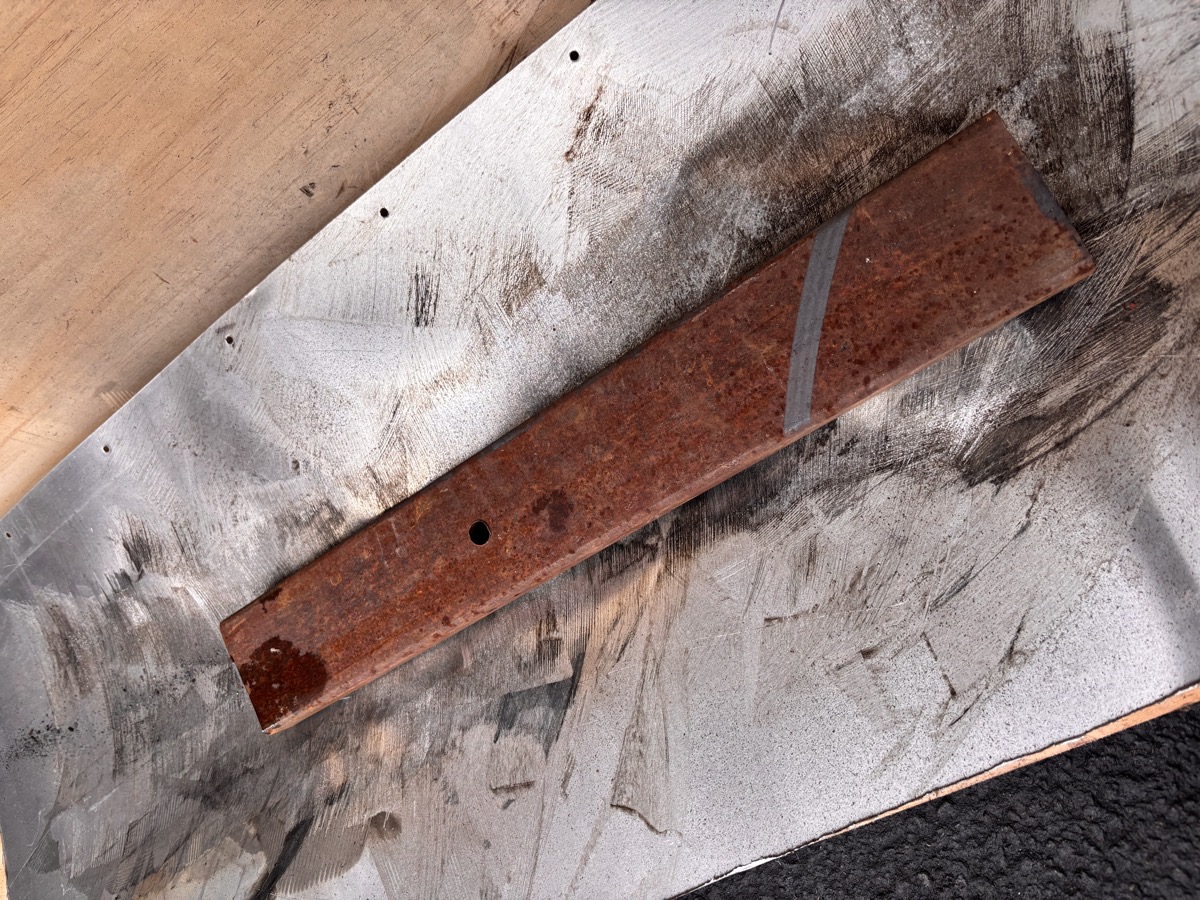
When most people hear "laser cleaning," they think rust removal. And that's fair — it's in our name. But one of the most common jobs we run has nothing to do with rust at all.
Laser paint removal is one of the fastest-growing applications for industrial laser cleaning. Shops, manufacturers, restorers, and maintenance teams are switching to lasers to strip paint, powder coating, primer, and other coatings — without chemicals, without dust clouds, and without damaging the metal underneath.
Here's how it works, what it costs, and when it makes sense over traditional methods.
How Laser Paint Removal Works
Laser paint removal uses a high-powered fiber laser (typically 1000W to 3000W) to vaporize coatings from a metal surface. The process is called laser ablation — the beam's energy is absorbed by the paint, which heats up and evaporates almost instantly.
The key: paint and coatings absorb laser energy efficiently. Clean metal reflects it. That's why laser cleaning is self-limiting — once the coating is gone and bare metal is exposed, the beam bounces off instead of digging in. The surface underneath stays intact.
No grinding. No chemicals. No abrasive media to clean up. The paint just... disappears.
What Happens Step by Step
- The laser beam hits the painted surface. Energy is absorbed by the dark coating material.
- The paint vaporizes. It converts from solid directly to gas (sublimation) or breaks apart into micro-particles.
- A fume extractor captures the vapor. A small wisp of smoke is pulled away — far less than sanding or grinding produces.
- The clean metal underneath reflects the beam. The process self-limits at the bare metal surface.
- Repeat across the surface. The operator sweeps the laser in overlapping passes until the entire area is clean.
For multi-layer paint systems (primer + base coat + clear coat, for example), the laser removes each layer sequentially. You can even stop at a specific layer if needed — something no other method can do with the same precision.
What Coatings Can Lasers Remove?
Short answer: almost anything. Here's what we strip regularly:
- Latex and acrylic paint — thin coatings, fast removal
- Enamel paint — common on automotive and industrial parts
- Epoxy coatings — industrial floors, marine applications
- Powder coating — thicker than paint, takes multiple passes but fully removable
- Primer and undercoating — including thick automotive undercoat
- Lead paint — the laser vaporizes it and fume extraction captures the particles (critical for safety)
- Marine antifouling paint — often multi-layered and chemically nasty
- Industrial protective coatings — zinc-rich primers, urethanes, polyureas
- Anodizing — on aluminum parts (selective or full removal)
The only coatings that give lasers trouble are highly reflective ones with no color contrast to the base metal — but those are rare in real-world stripping applications.
Laser vs. Traditional Paint Removal Methods
Every paint removal method has trade-offs. Here's how laser stacks up against the most common alternatives:
| Factor | Laser | Chemical Stripping | Sandblasting | Sanding/Grinding |
|---|---|---|---|---|
| Surface damage | None | Possible | Pitting likely | Scratching / material loss |
| Chemical waste | None | Yes — hazmat disposal | None | None |
| Dust / media cleanup | Minimal (fume extraction) | Wet mess | Major cleanup | Moderate dust |
| Precision / selective removal | Excellent | Limited | Poor | Moderate (skill-dependent) |
| Lead paint safe | Yes (with extraction) | Yes (slow, wet process) | No — airborne lead | No — airborne lead |
| Operator safety | High (glasses + fume extraction) | Chemical burns, fumes | Dust, noise, debris | Dust, vibration injury |
| Speed (small parts) | Fast | Slow (soak time) | Fast | Moderate |
| Speed (large surfaces) | Moderate | Very slow | Fast | Slow |
The big takeaway: laser wins on precision, safety, and surface preservation. Sandblasting wins on raw speed for large flat areas. Chemical stripping is the slowest option across the board but works in situations where you can't use heat or abrasion.
For a deeper dive on the sandblasting comparison, see our guide: Laser Cleaning vs Sandblasting: Which Is Better?
When Laser Paint Removal Is the Right Call
Laser isn't always the cheapest option. But for certain jobs, it's the only option that makes sense:
Precision Parts
Removing paint from machined surfaces, threads, bearing seats, or areas with tight tolerances. Sandblasting would destroy the finish. Chemicals would pool in the wrong places. Laser strips the coating and leaves the metal exactly as it was.
Classic Car and Motorcycle Restoration
When you need to strip decades of paint layers down to bare metal without thinning body panels, warping sheet metal, or destroying factory stampings. We wrote a whole post about this — it's one of our most popular services.
Lead Paint Removal
Lead paint on structural steel, old equipment, or architectural metalwork is expensive and dangerous to remove by traditional methods. Laser vaporizes it at the surface and a HEPA-filtered fume extractor captures the particles — no airborne lead dust, no chemical stripper waste, no wet mess to contain.
Recoating and Refinishing Prep
If you're applying a new coating — paint, powder coat, plating — the surface prep matters more than the coating itself. Laser leaves a clean, profiled surface that's ideal for adhesion. No embedded media (like sandblast grit), no chemical residue, no oils from handling. Just clean metal.
Production Environments
When you're stripping paint off fixtures, jigs, molds, or tooling on a regular basis, laser pays for itself quickly. No consumables (no media, no chemicals), minimal downtime, and consistent results every time. One operator can run the laser without a blast booth or ventilation overhaul.
Selective Removal
Need to remove paint from one specific area without touching the surrounding finish? Laser can do that. Mask the area you want to keep and strip the rest — or just aim carefully. Try doing that with a sandblaster.
When Laser Might Not Be the Best Fit
Honesty time. Laser paint removal isn't perfect for every scenario:
- Very large flat surfaces (like a warehouse floor or ship hull) — sandblasting is faster and cheaper at this scale
- Non-metal substrates — laser works on metal. For paint removal from wood, concrete, or plastic, you'll need other methods
- Budget-constrained, low-precision work — if the surface doesn't matter much and you just need paint gone fast, a wire wheel or sanding disc is cheaper
- Extremely thick rubber coatings — heavy rubber linings (1/4" or more) are better removed mechanically first, then laser-finished
We're always honest about this. If sandblasting or another method makes more sense for your job, we'll tell you. For a full cost comparison, check out our 2026 pricing guide.
What It Costs
Laser paint removal pricing depends on the same factors as any laser cleaning job: surface area, coating thickness, number of layers, accessibility, and material type.
General ranges:
- Small parts (brackets, fittings, hardware): $100–$300
- Medium items (panels, machine components, car parts): $300–$800
- Large projects (frames, structural steel, equipment): $1,000+
- Production/repeat work: Volume pricing available — often 20-40% lower per unit
Powder coating takes longer than regular paint (thicker, more durable coating = more passes), so it's typically at the higher end. Single-layer latex or enamel is the fastest and cheapest.
Every job is different. Send us a photo and we'll give you a real number — not a guess.
Surface Prep After Laser Paint Removal
One of the under-appreciated benefits of laser paint removal: the surface it leaves behind.
After stripping, the metal has a clean, slightly profiled texture — ideal for adhesion if you're repainting or applying a new coating. Unlike sandblasting, there's no embedded media in the surface. Unlike chemical stripping, there's no residue to neutralize.
For many recoating applications, you can go straight from laser to paint booth with minimal prep in between. That alone can save hours on production work.
If the surface prep isn't right, the coating won't last. Laser gives you a consistently clean canvas every time — no shortcuts, no variables.
Frequently Asked Questions
Can a laser remove paint from metal?
Yes. High-powered fiber lasers (1000W–3000W) remove paint, powder coating, primer, and other coatings from steel, cast iron, aluminum, and other metals. The laser vaporizes the coating without damaging the base metal underneath.
Does laser paint removal damage the metal surface?
No. Laser cleaning is self-limiting — the beam's energy is absorbed by the coating but reflected by clean metal. Once the paint is gone, the process naturally stops at the base surface with no warping, pitting, or material loss.
How much does laser paint removal cost?
$100–$300 for small parts, $300–$800 for medium items, $1,000+ for large projects. Pricing depends on surface area, coating type, number of layers, and accessibility. It's competitive with professional chemical stripping and faster than sandblasting for precision work.
What types of paint can lasers remove?
Virtually any coating: latex, enamel, epoxy, powder coating, primer, undercoating, lead paint, marine paint, industrial coatings, and anodizing. Thicker coatings like powder coat require multiple passes but are fully removable.
This article is for informational purposes only and does not constitute professional, legal, or safety advice. Always consult qualified professionals and verify information for your specific situation.
© 2026 Chicago Rust LLC. All rights reserved. Originally published at chicagorust.com/blog.
This article may not be reproduced, distributed, or republished without written permission from Chicago Rust LLC.
Need Paint Stripped From Metal?
Send us a photo of your project. We'll tell you if laser is the right method — and give you a real quote if it is.
Get a Free Quote