What Is Laser Rust Removal? A Complete Guide
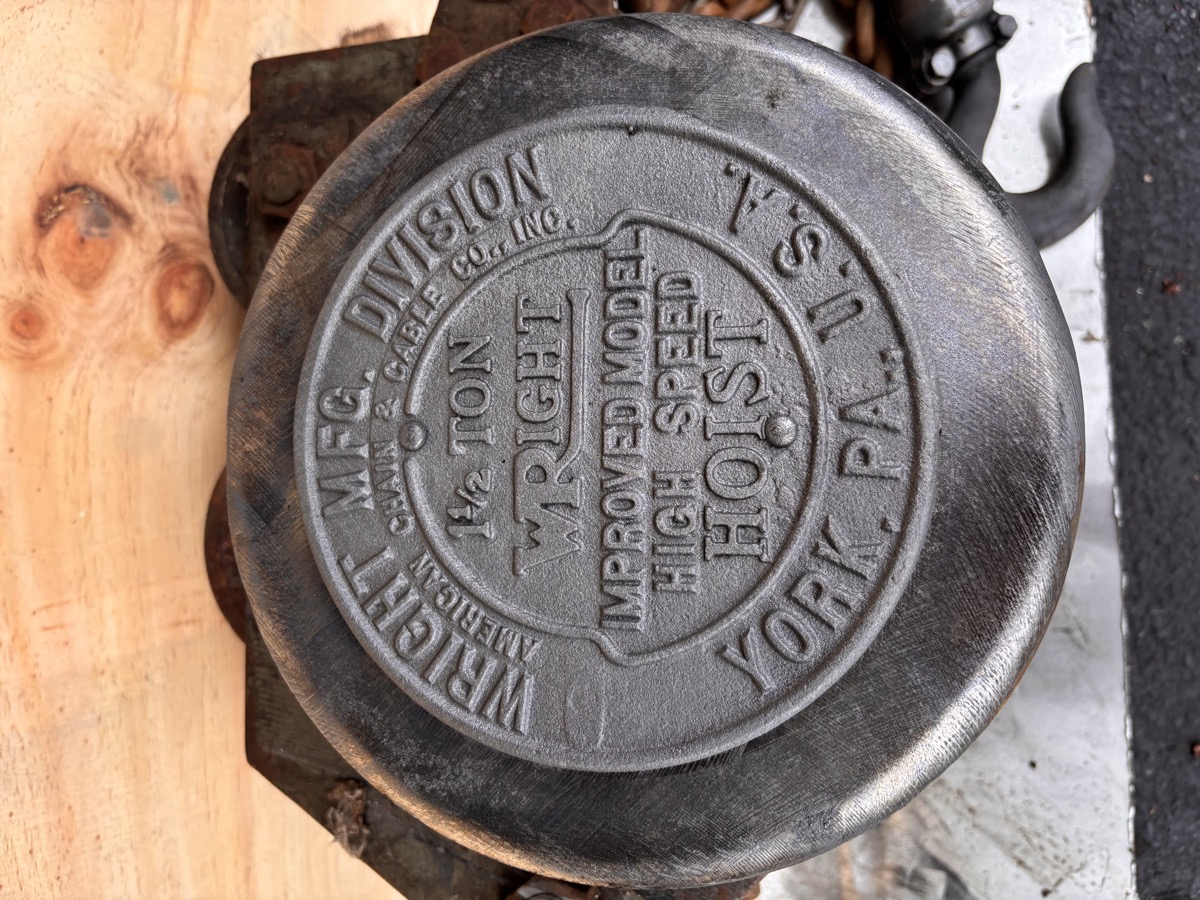
If you've seen those mesmerizing videos of a laser beam vaporizing rust off metal, you've seen laser cleaning in action. But how does it actually work? Is it practical for real-world jobs? And is it worth the money?
This guide covers everything you need to know about laser rust removal — no jargon, no fluff. Whether you're restoring a classic car, maintaining industrial equipment, or just curious about the technology, we'll break it down.
How Laser Rust Removal Works
Laser cleaning uses focused pulses of light energy — typically from a fiber laser — to vaporize contaminants on a metal surface. The process is called laser ablation.
Here's the key: rust, paint, and oxide layers absorb laser energy efficiently, but clean metal reflects it. That makes the process self-limiting. The laser removes the bad stuff and stops when it hits good metal. No grinding past the surface. No guessing when to stop.
The rust doesn't melt — it vaporizes. The laser pulses are so fast (nanoseconds) that the contaminant layer is converted directly to gas and ejected from the surface. A fume extraction system captures the particles, leaving behind clean, bare metal.
What it removes:
- Rust and iron oxide — from light surface rust to heavy scale
- Paint and coatings — including powder coat, primer, and multi-layer finishes
- Oil and grease — burned-on residue from industrial use
- Weld discoloration — heat tint and oxide from welding
- Corrosion products — on aluminum, copper, brass, and other metals
What it won't remove:
- Deep pitting (the metal is already gone — the laser cleans what's left)
- Structural damage from long-term corrosion
- Coatings on non-metallic surfaces (plastic, wood, rubber)
What Metals Can Be Laser Cleaned?
Laser cleaning works on virtually any metal surface:
- Carbon steel — the most common application (frames, brackets, tools, structural steel)
- Cast iron — engine blocks, manifolds, machine bases
- Stainless steel — weld cleanup, passivation prep
- Aluminum — oxide removal, coating prep
- Copper and brass — patina removal, restoration
- Tool steel — mold cleaning, die maintenance
The operator adjusts laser power, pulse frequency, and scan speed for each material. A setting that's perfect for heavy rust on a steel frame would be dialed back for delicate aluminum trim. That's why training and experience matter.
Laser Cleaning vs. Traditional Methods
Most people compare laser cleaning to sandblasting, chemical stripping, or mechanical grinding. Here's how they stack up:
| Factor | Laser | Sandblasting | Chemical | Grinding |
|---|---|---|---|---|
| Surface damage | None | Moderate | Low | High |
| Precision | Excellent | Poor | Fair | Poor |
| Waste / cleanup | Minimal | Heavy | Hazardous | Moderate |
| Speed (small parts) | Fast | Fast | Slow | Moderate |
| Speed (large areas) | Moderate | Fast | Slow | Slow |
| Consumables | None | Media + nozzles | Chemicals | Discs + wheels |
| Environmental impact | Low | Moderate | High | Moderate |
The biggest advantage of laser cleaning isn't any single factor — it's the combination: precision + no consumables + no surface damage + minimal waste. No other method offers all four.
How Much Does Laser Rust Removal Cost?
Cost depends on three things: the size of the part, the severity of the rust, and whether the part comes to us or we come to you.
General ranges:
- Small parts (bolts, brackets, small tools) — $50–$150
- Medium parts (carburetors, manifolds, suspension components) — $100–$300
- Large parts (frames, body panels, machine bases) — $300–$1,000+
- Hourly rate (for bulk or on-site work) — varies by volume
Most customers are surprised at how affordable it is compared to doing it themselves — factoring in the cost of media, chemicals, disposal, rework from surface damage, and their own time.
We quote every job individually based on photos. Send us a picture and we'll give you a number — no obligation, no pressure.
Is It Safe?
Laser cleaning is one of the safest industrial cleaning methods available. There are no chemicals to handle, no abrasive media flying around, and no dust clouds (fume extraction captures everything).
The main safety requirement is eye protection. The lasers we use are Class 4 — the operator wears laser-rated safety glasses, and the work area is controlled. But for the customer? You just drop off your part and pick it up clean.
Compared to sandblasting (silicosis risk), chemical stripping (skin and respiratory hazards), and grinding (sparks + flying debris), laser cleaning is significantly safer for everyone involved.
Real-World Applications
Laser cleaning isn't just for cool TikTok videos. Here's what we actually use it for:
Auto Restoration
Frames, suspension parts, engine components, body panels, fasteners — anything that needs to go from rusty to bare metal without losing material. Laser cleaning is especially valuable for parts where dimensional accuracy matters, like bearing surfaces and mating flanges.
Industrial Maintenance
Factories and shops use laser cleaning for mold cleaning, weld prep, surface preparation before coating, and removing corrosion from equipment that can't be disassembled. Our mobile service means we bring the laser to your facility.
Marine & Fleet
Salt corrosion on boats, trailers, and fleet vehicles is a constant battle in the Midwest. Laser cleaning handles salt deposits and rust without the mess of traditional methods.
Historic Preservation
When you need to clean a surface without altering it — removing oxidation from architectural metalwork, historical artifacts, or vintage equipment — laser cleaning is the only method that guarantees zero material loss.
For a full breakdown of industries we serve, check our Industries page.
Common Questions
How long does it take?
Most individual parts take 5–30 minutes. A full car frame might take several hours. It depends on the surface area and how thick the rust/coating is.
Do I need to disassemble anything first?
Usually no. One advantage of laser cleaning is precision — we can clean around gaskets, seals, and adjacent surfaces that you'd need to mask off with other methods. That said, removing loose bolts and accessories makes the job faster.
Can you come to my shop?
Yes. We offer mobile laser cleaning service across Chicagoland. If you have a lot of parts or something too big to transport, we bring the laser to you.
What does the metal look like after?
Clean, bare metal with a slight matte finish — ready for primer, powder coat, paint, welding, or assembly. Check our gallery for before-and-after photos of real jobs.
Bottom Line
Laser rust removal is the cleanest, most precise way to strip rust, paint, and contaminants from metal. It's not the cheapest method for every job — but for anything where you care about the surface underneath, it's the best option available.
If you're still not sure whether laser cleaning is right for your project, just ask. Send us a photo and we'll tell you honestly whether it makes sense — or if a different approach would serve you better.
This article is for informational purposes only and does not constitute professional, legal, or safety advice. Always consult qualified professionals and verify information for your specific situation.
© 2026 Chicago Rust LLC. All rights reserved. Originally published at chicagorust.com/blog.
This article may not be reproduced, distributed, or republished without written permission from Chicago Rust LLC.
Got a Rust Problem?
Send us a photo of your project for a free, no-obligation quote.
Get a Free Quote